














How important is the timing of an IPO, and what factors should a company consider when deciding when to go public?

The timing of an IPO can be critical for a company’s success. There are several factors a company should consider when deciding when to go public: Market conditions: The state of the market can have a significant impact on the success of an IPO. A strong market can provide a better environment for a successful … Read more

What are the regulatory requirements for a company to go public through an IPO?

In order to go public through an IPO, a company must meet certain regulatory requirements. These requirements are designed to protect investors and ensure that companies provide accurate and transparent financial information. Here are some of the key regulatory requirements for an IPO: Securities and Exchange Commission (SEC) registration: Companies that want to go public … Read more

What are some common mistakes to avoid when investing in an IPO?

Investing in an IPO can be a high-risk, high-reward proposition, and there are several common mistakes that investors should try to avoid. Here are a few: Not doing enough research: Before investing in an IPO, it’s important to do your due diligence and thoroughly research the company, its management team, and its financials. Don’t rely … Read more

How does an IPO affect the existing shareholders of a company?

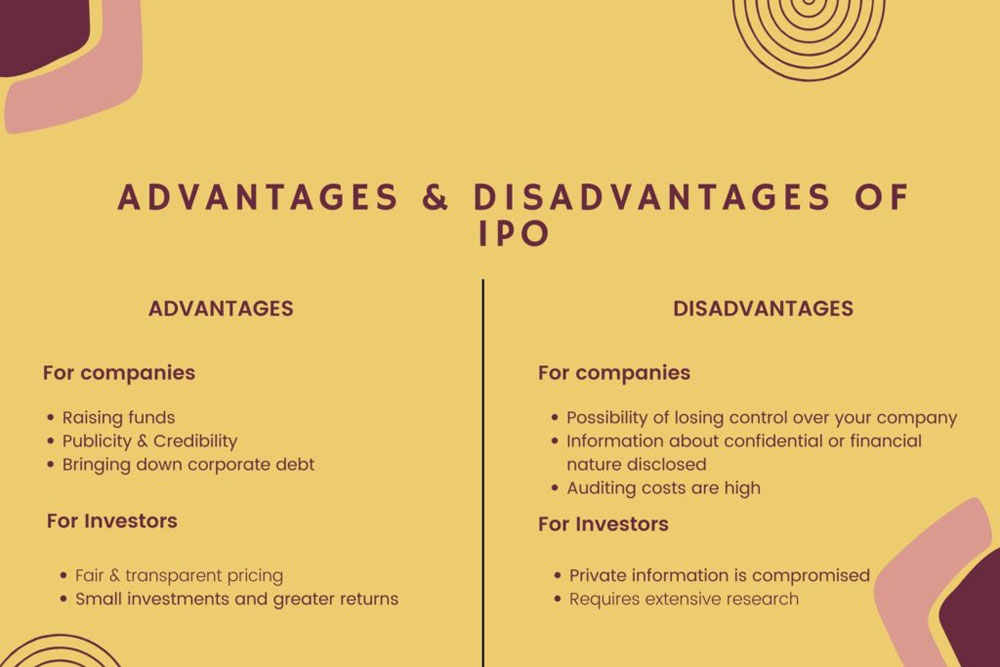
An IPO can have both positive and negative effects on the existing shareholders of a company. On the positive side, an IPO can provide existing shareholders with a way to monetize their investments and realize a return on their initial capital. The increased liquidity of the public markets can also make it easier for existing … Read more

Can anyone invest in an IPO?

Technically, anyone can invest in an IPO, as long as they meet the requirements set by the underwriters and the stock exchange where the IPO is listed. However, in practice, most IPOs are available only to institutional investors and high net worth individuals, due to the high demand and limited supply of shares. The underwriters … Read more

What is the quiet period in an IPO?

The quiet period in an IPO is a period of time during which the company and its underwriters are prohibited from making public statements or engaging in any promotional activities that could influence the stock price. The quiet period typically begins after the company files its initial registration statement with the SEC and lasts until … Read more

What is the lock-up period in an IPO?

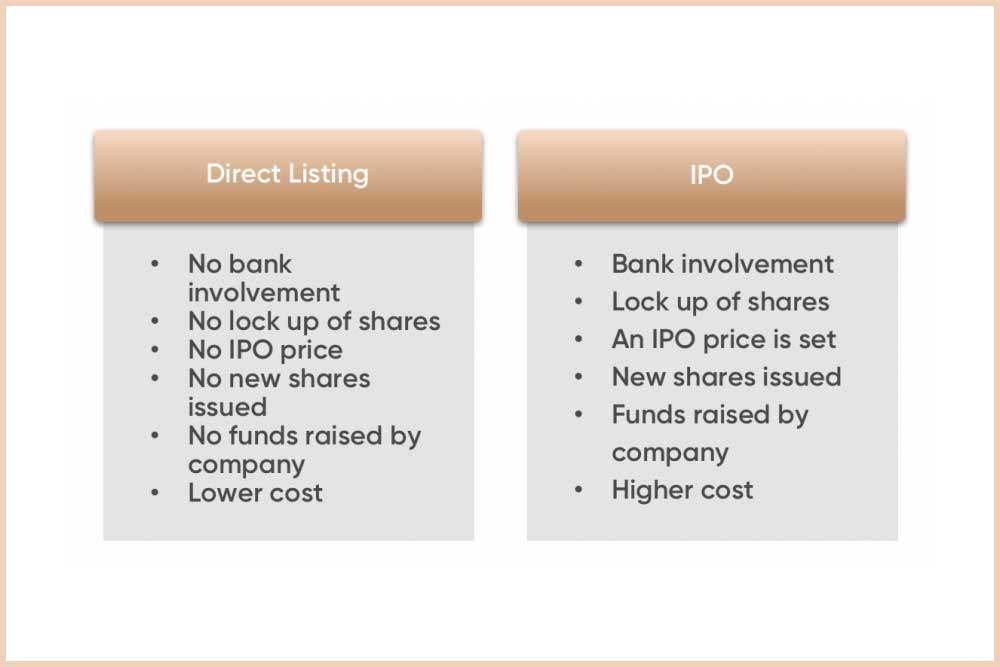
The lock-up period is a period of time following an IPO during which certain shareholders are prohibited from selling their shares in the company imposed in the United States by the Rule 144 of the Securities Act of 1933. These shareholders typically include company insiders, such as executives and early investors, who may hold a … Read more

What happens to a company’s stock after an IPO?

After an IPO, a company’s stock begins trading on a public stock market or exchange, and its price can rise or fall depending on a variety of factors, including market conditions, investor sentiment, and the company’s financial performance. Typically, in the days and weeks following an IPO, the stock price may be volatile as investors … Read more