














Music Point

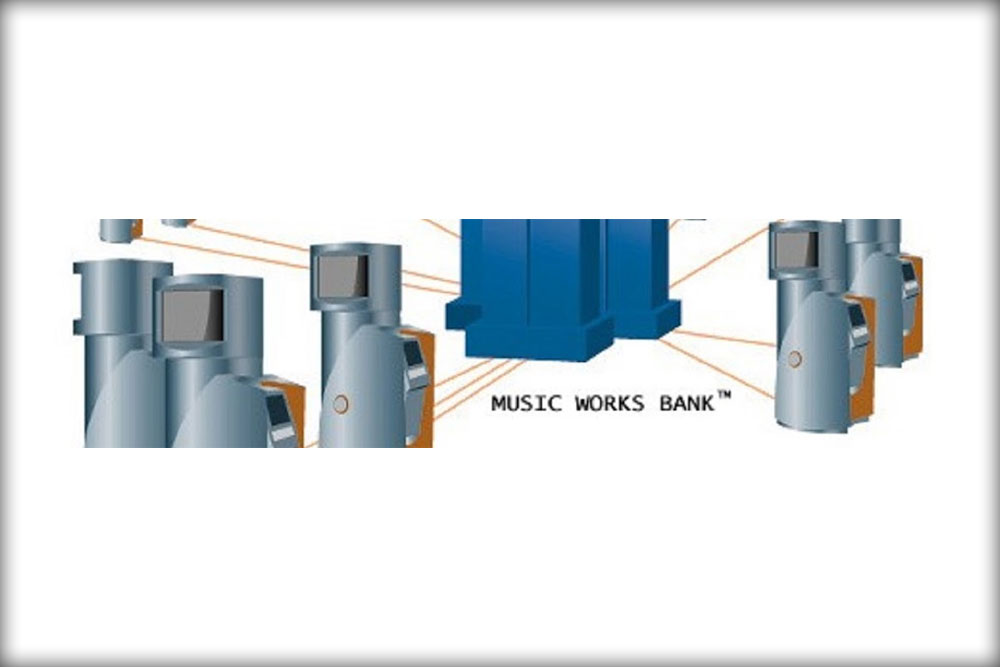
CD World Corporation’s Pioneering Business Model from 1995-2000A Blast from the Past The Revolutionary Music Point™ and Music Bank™ Systems that changed the Music Industry In the late 1990s, when the music industry was experiencing a shift from physical formats to digital platforms, CD World Corporation emerged as a game-changer with its unique business model that combined … Read more


Perpetual Corporation

In this time of crisis, we systematically wonder about its causes, which are many. These include the low margins of the companies arising from laws promoting competition. The thin margin creates a lack of reserves, therefore a privilege of short-term over the long term. The reasoning is simple: there is no reason to think long … Read more

Transaction Financing

Problem – Corporate Situation A corporation needs equity financing and has sufficient time to make its Initial Public Offering,but, it does not have enough capital to pay for the expenses necessary to setup and organize said IPO, which include: Legal advice, accounting, audit, financial public relations, advertising, medias, press, infographics, roadshows, hotels and representation etc… … Read more

Wrapper

Patent PDF View Patent Text View Securitization is a financial process whereby an asset or group of assets is transformed into a security. The security can then be sold to investors as a means of raising capital. Traditional securitization involves the use of a legal entity, such as a special purpose vehicle (SPV), to issue … Read more

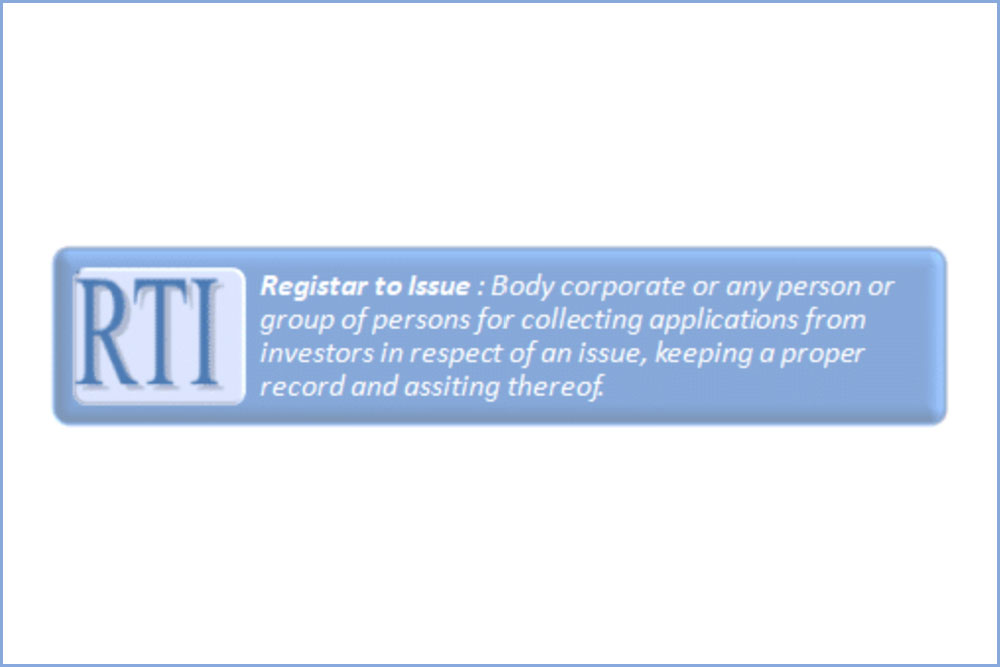
What is the role of the REGISTRAR in an IPO, and what services do they provide?

In an IPO, the Registrar plays an important role as a key intermediary between the company going public and its investors. Here are some of the key services provided by a Registrar during an IPO: Investor Verification: The Registrar verifies the credentials of investors to ensure that they meet the eligibility criteria set by the … Read more

IPO Challenges, Pitfalls & Mitigation

The IPO process can be complex and challenging for companies, and there are several pitfalls that can arise along the way. Here are some common challenges and pitfalls that companies can encounter during the IPO process, and some ways to mitigate them: Market Volatility: Market volatility can have a significant impact on the success of … Read more

How do the risks associated with an IPO compare to those associated with other forms of financing, such as private equity or debt financing?

The risks associated with an IPO can be different from those associated with other forms of financing, such as private equity or debt financing. One of the key risks associated with an IPO is market risk. The price of the shares issued in an IPO is determined by market demand and can fluctuate based on … Read more

How can companies prepare for the ongoing reporting and disclosure requirements after an IPO, and what are the key requirements for maintaining compliance with securities laws?

Companies can prepare for ongoing reporting and disclosure requirements after an initial public offering (IPO) by implementing effective corporate governance practices, developing strong internal controls, and investing in robust financial reporting systems. In addition, they can engage experienced legal and accounting professionals to ensure compliance with securities laws. Key requirements for maintaining compliance with securities … Read more

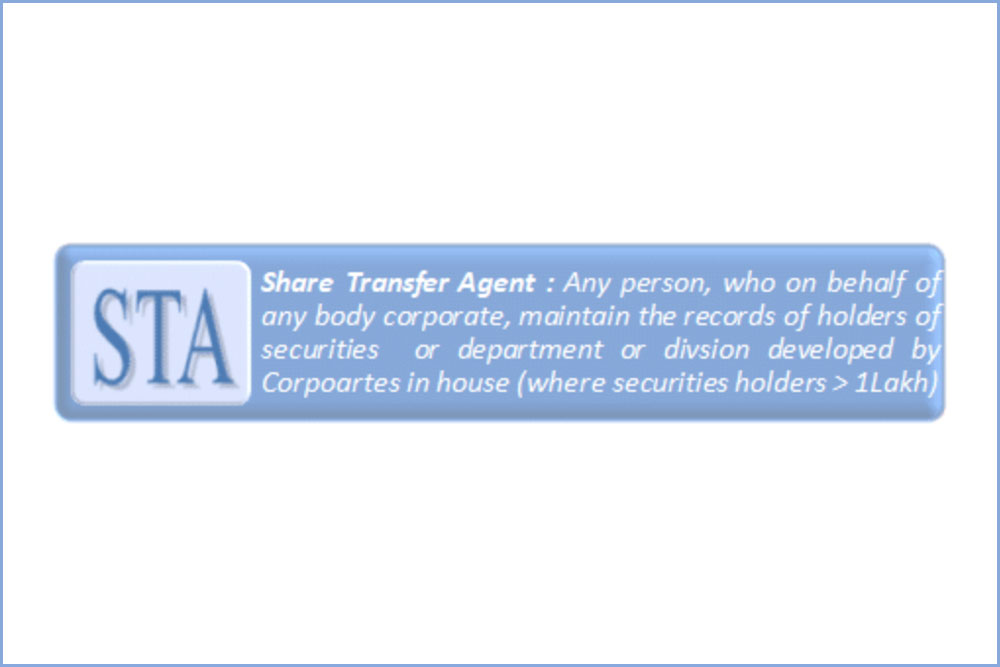
Stock / Share Transfer Agent

A transfer agent plays an important role in an initial public offering (IPO) by serving as an intermediary between a company going public and its shareholders. Here are some of the key services provided by a transfer agent during an IPO: Stock Issuance: The transfer agent helps with the issuance of new shares of stock … Read more

How is the lock-up period determined, and what are the implications of the lock-up period for investors and the company?

The lock-up period is determined by the underwriters of the Initial Public Offering (IPO) and is agreed upon between the underwriters and the company. The lock-up period is typically 180 days, although it can vary depending on the size and nature of the IPO. During the lock-up period, certain shareholders, such as company insiders and … Read more